Whitcher: A Bold and Elegant Blackletter Font for Modern Creative Projects
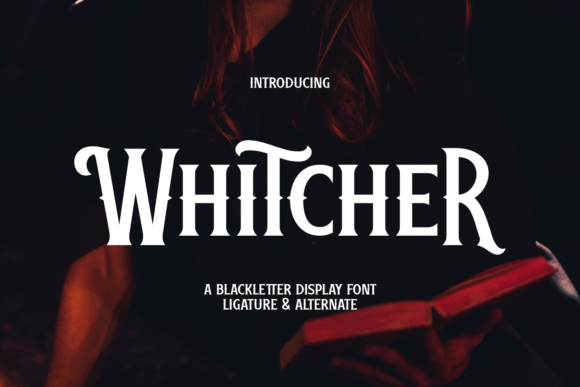
In the ever-evolving world of typography, certain fonts stand out not just for their visual appeal but for their ability to evoke emotion, convey meaning, and align with broader creative and market trends. One such font is Whitcher, a bold and elegant blackletter display typeface that brings a mystical and powerful aesthetic to any design project. With its sharp verticals, sweeping curves, and magical ligature alternates, Whitcher bridges the gap between gothic tradition and fantasy storytelling, making it a compelling choice for professionals in publishing, branding, game development, and more.
What Is Whitcher?
Whitcher is a modern take on the classic blackletter style, which has its roots in medieval Gothic script. While traditional blackletter fonts are often associated with historical documents or religious texts, Whitcher reimagines this heritage with a contemporary flair. It features strong, angular forms combined with fluid, artistic strokes, giving it an air of both authority and enchantment. The inclusion of ligatures and alternate characters adds depth and uniqueness, allowing designers to create eye-catching visuals without compromising readability.
This font is particularly well-suited for use as a display typeface, meaning it excels in headlines, titles, and other prominent text elements rather than long blocks of body copy. Its high contrast and intricate details make it ideal for situations where visual impact is key—such as book covers, logos, and promotional materials.
The Broader Industry Context
Typography plays a crucial role in how audiences perceive brands, products, and content. As businesses and creators increasingly seek to differentiate themselves in a crowded digital landscape, unique and expressive fonts like Whitcher have become more valuable than ever. The demand for distinctive typefaces is especially pronounced in industries that rely heavily on aesthetics and storytelling, including entertainment, fashion, and publishing.
In recent years, there has been a noticeable shift toward fonts that blend nostalgia with innovation. This trend reflects a growing appreciation for vintage-inspired designs that still feel fresh and relevant. Whitcher fits perfectly into this movement by offering a timeless look with modern enhancements. Designers who want to tap into the emotional resonance of gothic lettering while maintaining a professional edge will find Whitcher to be an excellent resource.
Why People Are Paying Attention to Whitcher
There are several reasons why Whitcher has captured the attention of creatives and professionals alike:
- Visual Impact: Its bold structure and intricate detailing immediately draw the viewer's eye, making it perfect for creating memorable first impressions.
- Flexibility: Despite its ornate appearance, Whitcher is surprisingly versatile. It can be adapted to various contexts, from dark fantasy book covers to vintage-style logos, simply by adjusting color, spacing, or using different ligatures.
- Emotional Resonance: The font’s gothic roots and mystical elements evoke a sense of mystery and grandeur, appealing to audiences who crave immersive experiences in design and media.
- Modern Accessibility: While many blackletter fonts are difficult to read at smaller sizes, Whitcher is designed with clarity in mind. This makes it suitable for a wider range of applications than older, more complex variants.
Aligning with Consumer and Creative Trends
Today’s consumers are drawn to brands and content that tell a story and reflect a distinct personality. In this context, the right font can do more than just communicate information—it can set the tone for an entire brand identity. Whitcher supports this narrative-driven approach by offering a font that feels alive with character and history.
For example, in the realm of book publishing, especially within genres like dark fantasy and historical fiction, the cover is often the first point of contact between the reader and the story. A font like Whitcher can help establish the mood before a single word is read. Similarly, in game design, where immersion is key, the font contributes to the overall atmosphere of the title screen, menus, or promotional assets.
Entrepreneurs and marketers also benefit from using fonts like Whitcher when they’re trying to carve out a niche in competitive markets. Whether launching a new line of artisanal products or promoting a retro-themed café, a distinctive typeface helps reinforce brand identity and attract the right audience.
Practical Applications of Whitcher
Here are some real-world examples of how Whitcher can be used effectively:
- Dark Fantasy Book Covers: Authors and publishers looking to create a dramatic, atmospheric cover can use Whitcher to highlight the title and subtitle. The font’s mysterious quality enhances the genre’s themes of magic, ancient secrets, and epic battles.
- Game Titles and Branding: Video game developers often turn to stylized fonts to capture the essence of their game world. Whitcher’s combination of strength and elegance works well for titles in RPGs, strategy games, or horror-themed adventures.
- Vintage-Inspired Logos: Businesses that want to invoke a sense of tradition and craftsmanship can incorporate Whitcher into their logo design. From wineries to antique shops, the font lends itself to brands with a rich backstory.
- Event Invitations and Posters: For themed events such as medieval fairs, Halloween parties, or fantasy conventions, Whitcher can add a touch of authenticity and excitement to printed or digital materials.
- Branding for Niche Markets: Startups targeting specific demographics—like steampunk enthusiasts or gothic fashion lovers—can use Whitcher to build a cohesive and visually striking brand presence across websites, packaging, and social media.
Changing Needs and Expectations in Typography
As digital platforms continue to evolve, so too do the expectations of users and creators. Today’s designers are not only looking for beautiful fonts but also for ones that are functional, scalable, and adaptable across devices and formats. Whitcher meets these demands by offering a balance between artistic expression and usability.
Moreover, the rise of remote work and freelance opportunities has increased the need for tools that allow creatives to produce high-quality work efficiently. Fonts like Whitcher provide a quick way to elevate the visual appeal of projects without requiring extensive customization or design skills. This accessibility makes it a favorite among freelancers and small business owners who want to maintain a professional yet distinctive look.
Another important trend is the increasing importance of cultural sensitivity and inclusivity in design. While blackletter fonts have sometimes been associated with negative connotations due to their historical misuse, designers today are reclaiming them with awareness and intention. Whitcher, with its fantasy and vintage focus, offers a safe and positive reinterpretation of blackletter that avoids problematic associations.
Observations from the Field
Designers working in the indie game industry have noted that using a font like Whitcher can significantly enhance the perceived quality of a project. Indie developers, often operating on tight budgets, rely on strong typography to compete with larger studios. By choosing a font that stands out and aligns with their theme, they can create a more polished and engaging product.
Similarly, in the world of print-on-demand and custom merchandise, Whitcher has proven popular for items like T-shirts, mugs, and posters. Its dramatic style appeals to customers who want to express individuality through their purchases, and its availability in multiple weights and styles allows for greater customization.
Marketing agencies have also found value in Whitcher for campaigns that aim to evoke a sense of timelessness or intrigue. When used sparingly and thoughtfully, the font can serve as a powerful anchor for visual storytelling, helping to reinforce the message and emotional tone of the campaign.
Connecting Whitcher to Larger Developments
Whitcher is part of a larger movement in typography toward customization and personalization. With the rise of variable fonts and advanced typographic features like ligatures and alternates, designers now have more control over how type looks and behaves. Whitcher takes advantage of these advancements by offering a wide range of stylistic options, enabling users to tailor the font to their specific needs.
This trend is closely tied to the growth of creative software tools that support advanced typography features. Programs like Adobe Illustrator, Photoshop, and Figma allow designers to explore the full potential of fonts like Whitcher, experimenting with spacing, kerning, and alternate glyphs to create truly unique compositions.
Furthermore, the resurgence of analog and handcrafted aesthetics in digital design has led to a renewed interest in calligraphy-based and decorative fonts. Whitcher taps into this desire for tactile, expressive visuals by offering a font that feels both digital and artisanal. It satisfies the craving for something that appears hand-drawn while remaining easy to use and integrate into modern workflows.
Final Thoughts
Whitcher is more than just another blackletter font—it’s a thoughtful and versatile tool for modern designers who want to connect with audiences through visual storytelling. Its blend of sharp verticals, sweeping curves, and magical ligature alternates allows it to stand out in a sea of generic sans-serif and serif fonts. Whether you're designing a book cover, crafting a brand identity, or developing a game, Whitcher provides the kind of visual gravitas that can leave a lasting impression.
As we continue to see shifts in consumer preferences and creative workflows, fonts like Whitcher will remain essential for those who want to create meaningful and impactful designs. By understanding the evolving role of typography in branding and storytelling, professionals can leverage typefaces like Whitcher to meet the needs of their audiences while staying ahead of the curve in a rapidly changing industry.