Dark Old English: A Stylish Typeface for the Modern Creator
In an age where digital content dominates our visual landscape, typography has become more than just a functional element—it is a powerful tool of expression. Among the many fonts available today, Dark Old English stands out as a bold and distinctive choice that blends historical charm with contemporary appeal. This blackletter font, inspired by the ornate scripts of medieval manuscripts, is making a resurgence in creative projects across industries. Whether you're a designer, marketer, entrepreneur, or content creator, understanding the role and relevance of Dark Old English can elevate your work and connect with audiences in meaningful ways.
The Origins and Characteristics of Dark Old English
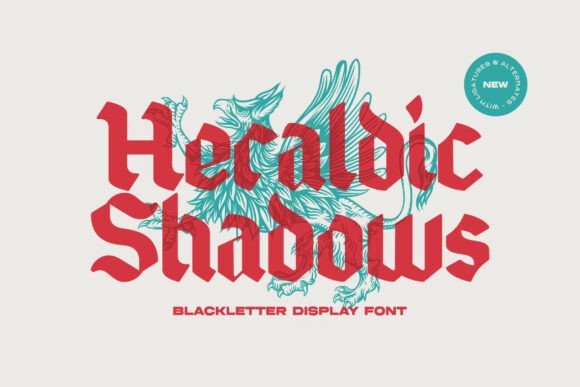
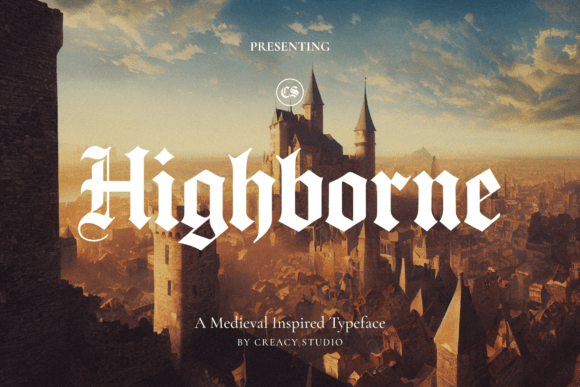
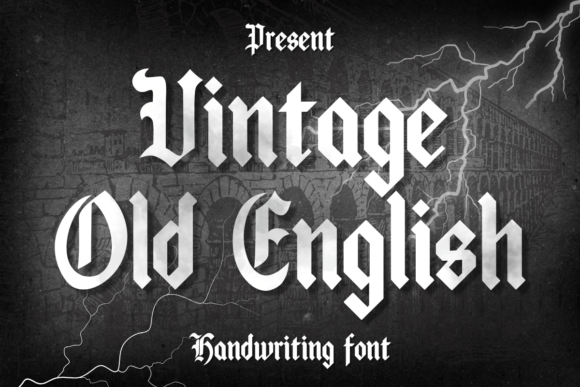
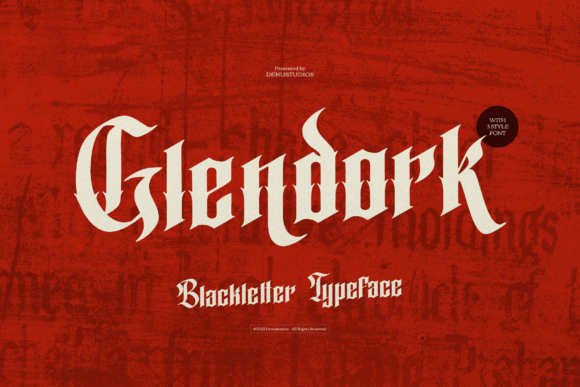
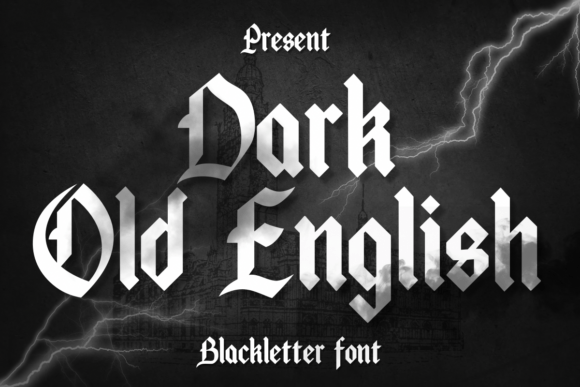
Dark Old English, also known as Gothic script, traces its roots back to the early days of European printing. It was once the standard for printed texts in the German-speaking world before being largely replaced by Latin-based typefaces during the Renaissance. The style is characterized by its angular strokes, intricate letterforms, and dense vertical structure—features that evoke a sense of gravitas and timelessness.
What sets Dark Old English apart from other blackletter fonts is its balance between readability and artistic flair. While it retains the dramatic curves and flourishes typical of its class, it does so in a way that makes it accessible for modern use. This makes it particularly suitable for branding, editorial design, and any project that seeks to convey heritage, tradition, or a touch of old-world sophistication.
Aesthetic Versatility and Niche Appeal
Designers often seek typefaces that offer both uniqueness and adaptability. Dark Old English satisfies this need by providing a distinct visual identity while still working well in various applications. Its dark, heavy strokes and archaic feel make it ideal for logos, book covers, movie titles, and even fashion labels looking to communicate a sense of rebellion or vintage cool.
- Historical Branding: Companies that emphasize craftsmanship, tradition, or nostalgia often use Dark Old English to align their visual language with their brand story.
- Editorial Design: In magazines or newspapers focusing on history, culture, or literature, this font adds depth and character to headlines and subheadings.
- Entertainment Industry: Movie posters and game titles leverage the font’s dramatic nature to capture attention and set the tone for a narrative.
Why Dark Old English Is Gaining Traction
As audiences grow increasingly desensitized to sleek, minimalist designs, there is a renewed interest in typographic styles that stand out. Dark Old English offers a compelling contrast to the clean lines of sans-serif fonts and the soft elegance of serif styles. This shift reflects broader trends in design and marketing toward authenticity, storytelling, and emotional resonance.
Moreover, the rise of retro aesthetics in digital media has fueled the popularity of fonts like Dark Old English. From TikTok videos to Instagram campaigns, creators are tapping into nostalgia to differentiate their content and engage viewers. The font’s unique appearance allows for striking visual compositions that don’t rely solely on color or imagery to command attention.
Changing Consumer Preferences and Creative Workflows
Modern consumers crave experiences that feel personal, handcrafted, and rooted in history. This preference extends to how information is presented. Dark Old English taps into these desires by offering a font that feels intentionally designed rather than mass-produced. As a result, it’s not uncommon to see it used in artisanal products, boutique services, and niche markets where authenticity is key.
For professionals and freelancers, the demand for such fonts highlights a shift in creative workflows. Clients are no longer satisfied with cookie-cutter templates; they want bespoke elements that reflect their values and vision. Fonts like Dark Old English help designers achieve this by adding a layer of individuality and context to their projects.
Practical Applications in Today’s Projects
Let’s explore some real-world examples of how Dark Old English can be effectively used:
- Brand Identity: A craft brewery might use Dark Old English for its logo and packaging to evoke a sense of tradition and quality. The font complements hand-drawn illustrations and earthy color palettes, reinforcing a rustic image.
- Event Promotion: Vintage-themed weddings or historical reenactment events often feature invitations and signage in this font. It gives guests a tactile connection to the event’s theme and enhances the overall atmosphere.
- Digital Content: Social media influencers in the lifestyle or education sectors may use Dark Old English for captions or headers in posts about history, philosophy, or cultural topics. It adds a scholarly or mysterious tone depending on the context.
One practical tip for using Dark Old English is to pair it carefully with complementary fonts. Because of its strong presence, it works best when balanced with simpler, more readable typefaces. For example, using a modern sans-serif for body text alongside Dark Old English for headings creates a dynamic yet harmonious layout.
Tools and Resources for Using Dark Old English
Thanks to advancements in web technologies, integrating Dark Old English into digital projects is easier than ever. Many online platforms now support custom fonts through services like Google Fonts, Adobe Fonts, or direct downloads from specialized font foundries. When selecting a version of Dark Old English, consider factors like licensing, weight options, and character set completeness to ensure it meets your needs.
For those who prefer a more hands-on approach, tools like Glyphs, FontLab, or even free software like FontForge allow for customization and fine-tuning of the font to better suit specific projects. This flexibility ensures that the font remains relevant and adaptable across different mediums and audiences.
Dark Old English in Broader Industry Trends
Typography is not just about beauty—it's also about function. The growing emphasis on user experience (UX) and accessibility means that every design choice must serve a purpose. However, this doesn't mean creativity should be sacrificed. Dark Old English demonstrates how traditional aesthetics can coexist with modern usability when applied thoughtfully.
In the publishing industry, for instance, the font has been embraced for book covers and chapter headings that aim to transport readers into another era. Similarly, in the gaming sector, developers use it to create immersive environments where typography plays a role in world-building. These uses highlight how Dark Old English is more than just a stylistic choice—it's a strategic one that supports the message and mood of the content.
Connecting to Cultural Movements
The resurgence of Dark Old English is part of a larger movement toward embracing the past in new ways. From vinyl records to analog photography, people are seeking out older forms of media and technology because they provide something different—something human. Typography is no exception. By choosing a font like Dark Old English, creators tap into this desire for tangible, meaningful design.
This trend is especially notable in lifestyle and wellness spaces, where brands are moving away from sterile, corporate visuals and toward warm, nostalgic, and authentic aesthetics. Dark Old English fits seamlessly into this environment, helping to build trust and familiarity with audiences who value experience over efficiency.
Why Pay Attention to Dark Old English?
There are several reasons why Dark Old English deserves a place in your creative toolkit:
- Memorable Visuals: Its distinctive look helps your content stand out in a crowded digital space.
- Cultural Resonance: It connects with themes of history, tradition, and craftsmanship that are increasingly valued by consumers.
- Professional Credibility: When used appropriately, it can add a level of sophistication and intentionality to your work.
Entrepreneurs and marketers, in particular, benefit from this font’s ability to evoke emotion and tell a story. A product name rendered in Dark Old English immediately suggests a certain kind of character—be it noble, rebellious, or mysterious. This emotional shorthand can be incredibly valuable in branding and advertising efforts.
Adapting to Evolving Expectations
Today’s audience expects more from the content they consume. They want it to be not only visually appealing but also meaningful and memorable. Dark Old English helps meet these expectations by adding a layer of depth and personality to any project. Whether you're designing a website, crafting a print campaign, or producing video content, this font can enhance your message without overshadowing it.
Additionally, as remote work and freelance opportunities continue to expand, the need for strong visual communication becomes even more critical. A well-designed portfolio or professional website can open doors in a competitive market. Incorporating a font like Dark Old English can help you create a lasting impression and establish a unique voice in your field.
Conclusion: Embrace the Timeless Power of Dark Old English
In a rapidly evolving digital world, standing out requires more than just technical skill—it demands a thoughtful approach to design that resonates emotionally. Dark Old English is one such element that bridges the gap between tradition and innovation, offering a versatile and impactful option for professionals and creatives alike.
By understanding its origins, recognizing its relevance in current trends, and applying it strategically, you can harness the power of this blackletter font to elevate your work. As we continue to see a shift toward authentic and expressive design, Dark Old English remains a compelling choice for those who want to connect with their audience on a deeper level.
So next time you’re working on a project that needs a little more character, consider adding Dark Old English to your palette. You’ll likely find that the results speak volumes.